The psychology behind gambling Understanding its effects on the mind
The allure of gambling
The psychology behind gambling is deeply rooted in its allure. Many are drawn to the thrill of risk and the prospect of winning big, especially when they consider opportunities at a crypto casino. This attraction can be attributed to various cognitive biases, such as the illusion of control, where individuals believe they can influence the outcome of a game, despite its inherent randomness. This belief enhances the excitement and can lead to repeated engagement in gambling activities.
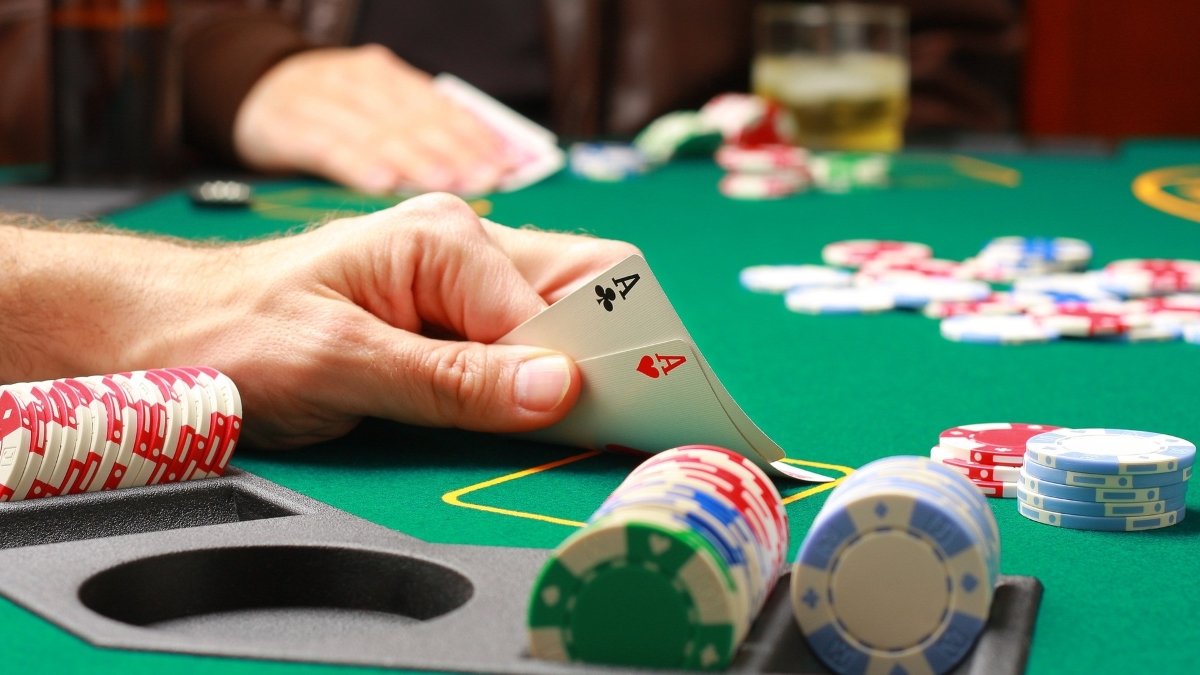
Additionally, the immediate gratification associated with gambling creates a strong emotional response. Winning can trigger a release of dopamine in the brain, reinforcing the behavior and prompting individuals to seek out the experience again. This cycle of reward and reinforcement plays a critical role in the psychology of gambling, making it a captivating yet potentially dangerous pursuit.
The psychological effects of gambling
The psychological effects of gambling can vary widely among individuals. While some may engage in gambling recreationally without adverse effects, others may develop problematic behaviors. The adrenaline rush that accompanies gambling can lead to heightened arousal and a temporary escape from daily stressors. However, this escape can morph into an addiction, causing severe emotional and financial repercussions.
Moreover, compulsive gambling often leads to feelings of anxiety and depression. The constant cycle of betting, losing, and chasing losses can create a significant emotional toll. Those affected may find it challenging to control their urges, leading to a downward spiral that affects their mental health and relationships.
The role of cognitive biases
Cognitive biases play a significant role in how individuals perceive gambling outcomes. One of the most common biases is the gambler’s fallacy, where people believe that past events influence future outcomes. For instance, after a series of losses, a gambler might think they are “due” for a win, leading to continued betting despite mounting losses.
Another critical bias is the misconception of near-misses. Experiencing a close call, such as almost winning a jackpot, can reinforce the desire to continue playing. This phenomenon can mislead individuals into thinking that success is within reach, further entrenching them in their gambling habits. Understanding these biases can help in promoting responsible gambling practices and mitigating negative consequences.
Responsible gambling practices
Promoting responsible gambling practices is essential for mitigating the adverse effects of gambling. Education about the risks and psychological aspects of gambling can empower individuals to make informed choices. Implementing strategies such as setting limits on spending and time can help maintain a healthy relationship with gambling activities.
Moreover, support systems, including counseling and support groups, can play a vital role in assisting individuals who struggle with gambling-related issues. Encouraging open discussions about gambling can reduce stigma and promote awareness, helping individuals seek help when needed.
Understanding the website’s purpose
This article aims to shed light on the intricate psychology behind gambling and its effects on the mind. By providing insights into cognitive biases and the importance of responsible gambling practices, we hope to foster a better understanding of this complex behavior.
For further information and resources related to gambling psychology and responsible practices, it is crucial to explore credible sources. Understanding these dynamics can lead to healthier choices and promote well-being in individuals who gamble.
